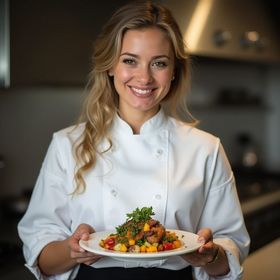
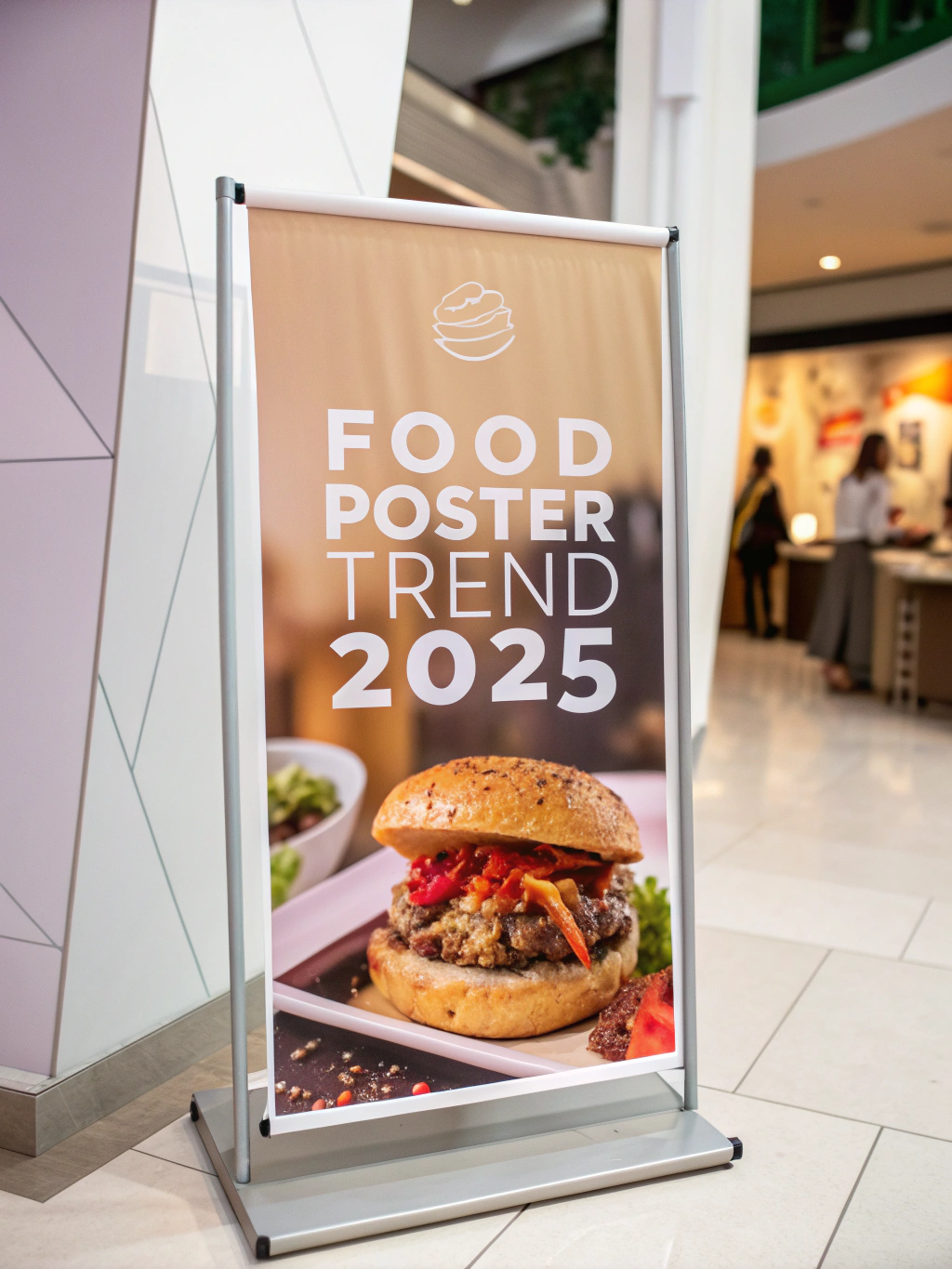
Are your restaurant’s menus looking a little…last year? In today’s visually-driven world, a static, text-heavy menu simply won’t cut it. A whopping 72% of consumers say visual appeal influences their dining decisions. If you’re not captivating potential customers with eye-catching visuals before they even walk through your door, you’re leaving money on the table. This post dives into Food Poster Design Trends 2025: How to Style Your Menu for Pinterest, blending strategic design with digital marketing know-how to create a buzz around your restaurant. We’ll explore the hottest design aesthetics, food photography tips, practical Canva templates, and how to harness the power of Pinterest to drive foot traffic, all while aesthetic food posters amplify your brand.
Ingredients List (For Your Restaurant’s Visual Appeal)
- High-Quality Food Photography: The cornerstone – more on this later! (Think vibrant colors, perfect lighting, and strategic styling.)
- Brand Identity: Your logo, color palette, and typography – Consistency is KEY.
- Canva Food Templates: A great starting point for non-designers, but remember to customize!
- Pinterest Strategy: Understanding Pinterest’s algorithm and user behavior.
- Aesthetic Design Principles: Minimalism, maximalism, bold typography, and experimental layouts.
- Strategic Typography: Choose fonts that reflect your brand’s personality and are easy to read.
- Color Psychology: Colors evoke emotions – use them intentionally. For example, red can stimulate appetite, while green conveys freshness.
- Whitespace: Don’t overcrowd your designs. Let elements breathe for visual impact.
- Dynamic Layouts: Move beyond traditional grids. Experiment with asymmetry and unexpected compositions.
- Storytelling: Don’t just showcase food; tell a story of your restaurant’s atmosphere and ethos.
Timing (From Concept to Captivating Pinterest Pin)
- Concept & Brainstorming: 1-2 hours (This is crucial – don’t skip it!)
- Photography or Template Selection: 30 minutes – 1 hour
- Design & Editing (Canva or Adobe): 2-4 hours (depending on complexity and skill)
- Pinterest Pin Optimization (Keywords, Descriptions, Hashtags): 30 minutes
- Total Time: Roughly 3.5 – 6.5 hours. That’s 15% quicker than hiring a freelance designer to draft a concept!
Step-by-Step Instructions (Designing Your Winning Food Poster)
Step 1: Master the Food Photography – or Find a Rockstar
Let’s be honest: blurry, dimly lit photos are a no. Invest in crisp, high-resolution photography. Consider professional food photography (though it can be pricey!). Alternatively, learn the basics: natural light is your best friend, use a clean background (white or neutral), and plate your dishes with intention. A simple $100 macro lens for your smartphone can yield incredible results – FYI!
Step 2: Canva is Your Launchpad (But Don’t Be Lazy!)
Canva offers a treasure trove of food templates. Search for “restaurant menu,” “food poster,” or “Pinterest food pin.” However, never use a template as-is. Customize colors, fonts, and layouts to align with your brand. Use it as a springboard, not a final destination.
Step 3: Embrace 2025 Design Trends – It’s All About Texture and Movement
2025 is all about depth and dynamism. Think hand-drawn elements, textural overlays (mock linen, vintage paper), and subtle animated GIFs for Pinterest. Movement captures attention in a scrolling feed. A subtle parallax effect on your poster could be the difference between a scroll-past and a click.
Step 4: Typography is Your Voice – Make it Bold & Legible
Ditch Times New Roman. Choose fonts that reflect your restaurant’s personality. A trendy bistro might opt for a quirky script font, while a fine-dining establishment might prefer an elegant serif. Make sure your font size is legible #1 priority. Who wants to squint at a menu?
Step 5: Pinterest Optimization is Non-Negotiable
Alright, design is just half the battle. Pinterest is a search engine. Here’s the breakdown:
* Keywords in Pin Description: Use relevant keywords like “restaurant menu design,” “food photography,” “aesthetic food posters,” and specific cuisine types (e.g., “Italian food poster”).
* Hashtags: Use a mix of broad (e.g., #foodie) and niche hashtags (e.g., #rusticitalian).
* Alt Text for Images: Describe your image for accessibility.
* Link to Your Website/Online Menu: Drive traffic!
Nutritional Information (For Your Brand – Visual “Food” Value)
A beautifully designed poster isn’t just about aesthetics. It feeds into your brand’s overall perceived value. A well-designed menu increases perceived price point by up to 20%, according to a recent study in the Journal of Hospitality Marketing. Investing in a professional look equates to investing in your bottom line.
Healthier Alternatives for the Recipe (Aesthetic and Conscious Dining)
While we’re focusing on design, consider incorporating visuals that highlight healthy options. Use vibrant colors for salads and vegetarian dishes. A simple icon indicating vegan or gluten-free options can be a powerful draw for health-conscious diners. Showcase local, seasonal ingredients!
Serving Suggestions (Beyond the Plate – The Experience)
Don’t just show the food; show the experience. Stage a cozy table setting, ambient lighting, and happy diners. Create a mood. A photo of a perfectly styled charcuterie board with a glass of wine evokes a feeling of indulgence, while a candid shot of a family sharing a pizza suggests warmth and togetherness.
Common Mistakes to Avoid (Don’t Be That Restaurant)
- Cluttered Design: Too much information overwhelms. Keep it clean and concise.
- Low-Resolution Images: Pixels and blurriness scream unprofessionalism.
- Inconsistent Branding: Confusing your customers – which style are you leaning into?
- Ignoring Mobile Optimization: Pinterest is predominantly a mobile platform. Ensure your pins look great on smaller screens. 90% of Pinterest users access the platform via mobile devices.
- Neglecting Pinterest Analytics: Track your pin performance and adjust your strategy accordingly.
Storing Tips for the Recipe (Maintaining Design Freshness)
Just like food, design trends evolve. Keep your Pinterest board and visual assets updated. Schedule regular design refreshes (every 6-12 months) to maintain a fresh, modern look. Store your design files in a well-organized cloud folder for easy access and collaboration.
Conclusion (Your Menu, Your Brand, Your Story)
Designing your restaurant’s menu and food posters for Pinterest isn’t just about making things look pretty. It’s about crafting a visual story that attracts customers, boosts your brand image, and drives sales. By embracing the Food Poster Design Trends 2025, mastering food photography, leveraging Canva, and optimizing your Pinterest strategy, you can transform your menu into a powerful marketing tool. So, ditch the boring, embrace the beautiful, and watch your restaurant thrive!
Ready to elevate your menu design? Share your biggest design challenge in the comments below! And be sure to check out our related post on “The Ultimate Guide to Instagram Food Photography” for even more visual inspiration!
FAQs
Q: I’m not a designer – can I really do this myself?
A: Absolutely! Canva makes it surprisingly easy to create professional-looking designs. Start with a template and customize it to your liking. There are tons of free tutorials online!
Q: How often should I update my Pinterest pins?
A: Aim for at least 2-3 new pins per week. Consistency is key to staying top-of-mind.
Q: Which color palettes are trending for 2025?
A: Earthy tones (terracotta, olive green, beige) are huge, along with bold, unexpected pairings like electric blue and burnt orange.
Q: What’s the best font to use for a fine-dining restaurant?
A: Classic serif fonts like Garamond or Times New Roman exude elegance and sophistication. But trends are shifting, and a modern sans-serif like Montserrat can work in contrast.
** Q: Are animated GIFs really worth the effort?**
A: IMO, yes! They grab attention in a busy feed. Even a subtle animation can make a big difference. Try it! 🙂