
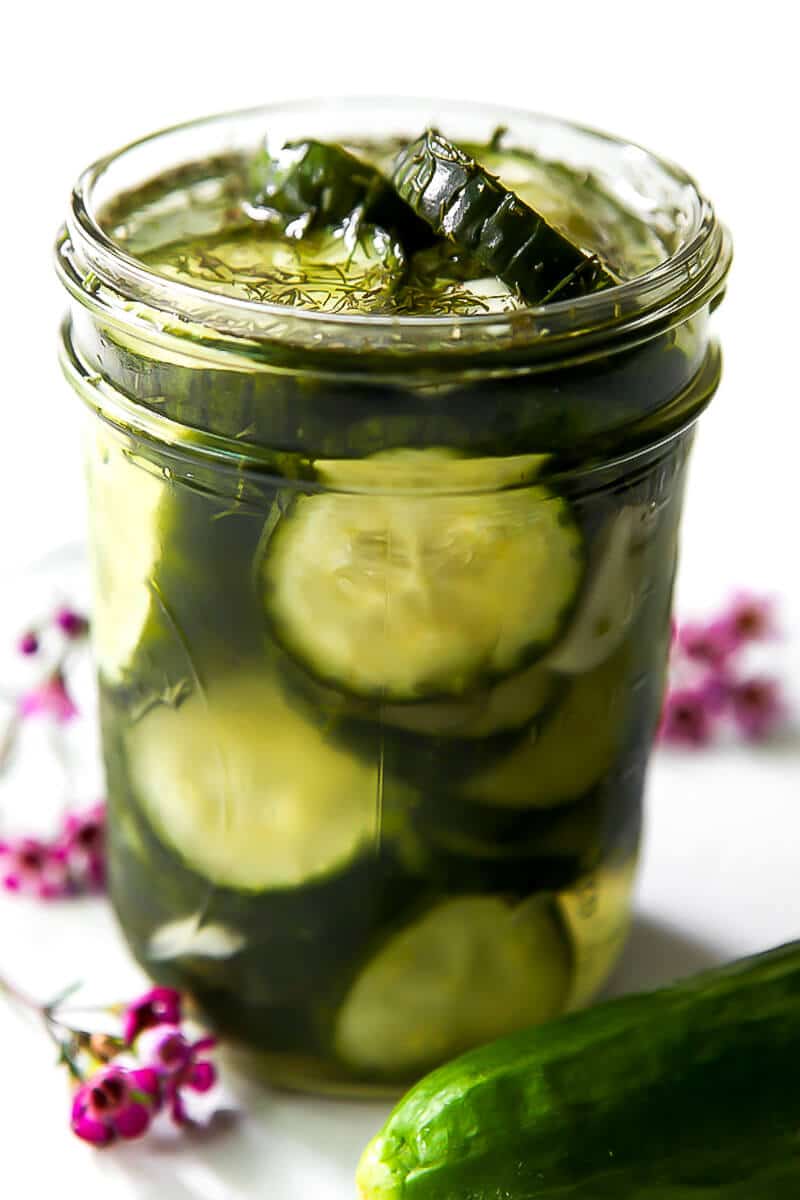
Making refrigerator pickles is one of the simplest and most rewarding ways to enjoy crisp, tangy, and flavorful pickles without turning on the stove. This no-cook refrigerator pickles recipe delivers perfect results every time, whether you prefer classic dill, sweet bread-and-butter, spicy, or a medley of pickled vegetables. With just 10 minutes of prep and a few hours of resting time in the refrigerator, you can have fresh pickles ready to enjoy the same day.
Why Refrigerator Pickles Are a Game-Changer
Unlike traditional canning methods, refrigerator pickles skip the heat-processing step. This keeps the cucumbers extra crunchy, preserves their fresh color, and allows for more flavor flexibility. Because they are stored cold, you can experiment with herbs, spices, and vegetables to create your own signature taste. They’re perfect for beginners, busy home cooks, or anyone who wants quick, homemade pickles without complicated equipment.
Essential Ingredients for No-Cook Refrigerator Pickles
Base Ingredients for Dill Pickles (use for all varieties except sweet pickles)
- 8 cups cucumbers – sliced into rounds or cut into spears
- 1/3 cup sugar – balances the tang without overpowering the dill flavor
- 2 tablespoons salt – use kosher or pickling salt for best results
- 2 cups white vinegar (or apple cider vinegar for a mellower tang)
- 1/4 cup fresh dill (or 2 tablespoons dried dill) – fresh is preferred for bold flavor
- 1 teaspoon white or black pepper – for a subtle heat and aroma
Flavor Variations
1. Basic Garlic Dill Pickles
- Add 5 cloves garlic, thinly sliced for a robust garlicky kick.
2. Green Pepper and Onion Pickles
- Add 1 cup onion (thinly sliced)
- Add 1 cup green bell pepper (sliced) for a fresh, slightly sweet crunch.
3. Spicy Pickles
- Add 1 tablespoon red pepper flakes or cayenne pepper to taste for a fiery bite.
4. Pickled Vegetables (reduce cucumber to 6 cups)
- Add 1 cup cauliflower florets
- Add 1/2 cup sliced carrots
- Add 5 cloves garlic, sliced
- Add 1 cup onion, sliced
5. Bread and Butter (Sweet) Pickles
- 3/4 cup sugar
- 1 cup sweet onion (sliced)
- 1 teaspoon mustard seeds
- 1 teaspoon salt
- 1 cup vinegar
Step-by-Step Instructions for Perfect Refrigerator Pickles
Step 1: Prepare the Cucumbers and Vegetables
Wash cucumbers thoroughly under cold water. For an extra decorative touch and better brine absorption, score the sides with a fork by making long grooves down the length. Slice them into rounds or spears, depending on your preference. Prepare any additional vegetables or flavorings you plan to use.
Step 2: Layer Ingredients in a Bowl
Place cucumbers, dill, garlic, onions, peppers, and any other chosen vegetables into a large mixing bowl. Sprinkle sugar and salt evenly over the vegetables. Stir gently to coat, then let them sit for 1 hour. This resting period helps the cucumbers release their natural juices, which will blend with the vinegar for a full-bodied brine. Do not discard the liquid – it’s part of the flavor base.
Step 3: Add the Vinegar
Pour vinegar directly over the cucumbers and vegetables. Stir until all pieces are coated in the brine. This tangy mixture will start infusing flavor instantly, but refrigeration is key to developing depth.
Step 4: Refrigerate and Marinate
Transfer the mixture into airtight jars or containers, making sure all vegetables are submerged in the liquid. Place them in the refrigerator for at least 4 hours before tasting. For maximum flavor, let them sit overnight.
Step 5: Storage Tips
Store your refrigerator pickles in sealed containers in the refrigerator for up to 2 months. Always use clean utensils when removing pickles to prevent introducing bacteria.
Pro Tips for Crisp and Flavorful Pickles
- Use firm, fresh cucumbers – Small Kirby or Persian cucumbers work best. Avoid soft or overripe cucumbers, as they won’t stay crunchy.
- Experiment with spices – Coriander seeds, mustard seeds, bay leaves, and even star anise can add unique flavors.
- Balance the brine – Adjust sugar and vinegar levels to suit your taste preferences.
- Cut uniformly – Even slices or spears help the brine penetrate evenly for consistent flavor.
- Chill before serving – Pickles taste best when served ice cold.
Serving Ideas for Refrigerator Pickles
- Sandwiches and Burgers – Add a crunchy, tangy bite.
- Charcuterie Boards – Pair with cheeses, cured meats, and olives.
- Salads – Dice and toss into potato salad, tuna salad, or pasta salad for a burst of flavor.
- Snack Straight from the Jar – Because sometimes you just need a pickle fix.
- Garnish for Drinks – Add to Bloody Marys for an extra punch.
Health Benefits of Homemade Refrigerator Pickles
Homemade pickles are naturally low in calories and contain probiotics if fermented naturally (though this no-cook version is not fermented, it’s still rich in flavor). They’re a great way to preserve seasonal produce and avoid the high sodium and preservatives found in many store-bought brands.
Why This No-Cook Refrigerator Pickle Recipe Works Every Time
This method combines simplicity, speed, and customization. By allowing the vegetables to release their juices before adding vinegar, the brine develops a naturally balanced flavor. The short refrigeration time ensures crispness while letting herbs and spices infuse deeply. The result? Perfect pickles with a satisfying crunch and bold taste, ready in hours instead of days.
Printable Recipe Card
Yield: 16 servings
Prep Time: 10 minutes
Resting Time: 4 hours
Total Time: 4 hours 10 minutes
Ingredients:
- 8 cups cucumbers (or adjusted vegetable mix)
- 1/3 cup sugar (adjust for sweetness)
- 2 tablespoons salt
- 2 cups vinegar (white or apple cider)
- 1/4 cup fresh dill
- 1 teaspoon white or black pepper
- Additional spices/vegetables as per variation
Instructions:
- Wash and prepare cucumbers and vegetables.
- Place them in a bowl with sugar, salt, herbs, and spices. Let sit for 1 hour.
- Add vinegar and stir well.
- Transfer to airtight jars and refrigerate for at least 4 hours.
- Enjoy within 2 months.
By mastering this no-cook refrigerator pickles recipe, you’ll have a delicious homemade staple ready to complement any meal. With endless flavor variations and minimal prep, it’s the perfect introduction to home pickling.