
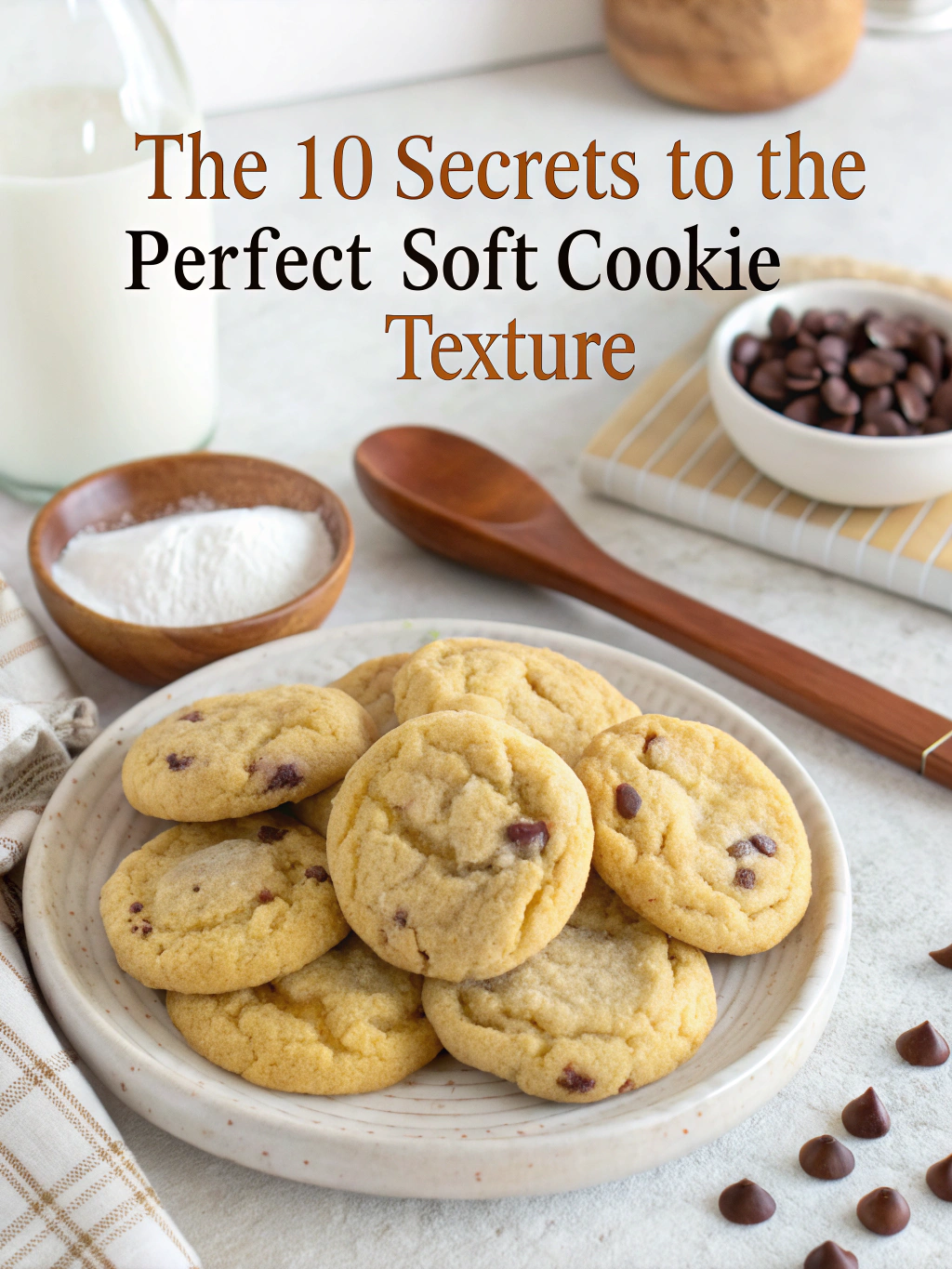
Ever bitten into a cookie and been disappointed by a dry, crumbly texture? It’s a cookie tragedy! But are we really blaming the recipe, or could it be something we’re doing (or not doing) in the kitchen? Achieving those melt-in-your-mouth, wonderfully soft cookies we all crave is an art, but it is achievable. Today, we’re cracking the code, revealing the 10 secrets to the perfect soft cookie texture, and saying goodbye to cookie disappointment forever. We’ll dive into everything from ingredient choices to baking techniques, ensuring you can consistently create chewy chocolate chip cookies and other delectable treats.
Ingredients List: The Foundation of Softness
Before we even preheat the oven, let’s talk ingredients. The quality and type of each component dramatically impacts the final texture.
- All-Purpose Flour: The backbone, but too much leads to dryness.
- Baking Soda: For leavening and a bit of chew.
- Baking Powder: Provides lift – a little goes a long way.
- Salt: Enhances flavor and balances sweetness.
- Unsalted Butter: Crucial for tenderness. We prefer softened, not melted!
- Granulated Sugar: Adds sweetness and crispness at the edges.
- Brown Sugar (Light or Dark): This is a big one! Brown sugar’s molasses content adds moisture and chewiness. Dark brown sugar will yield a richer, deeper flavor.
- Eggs: Bind the ingredients and contribute to richness.
- Vanilla Extract: For that classic, warm aroma and flavor.
- Cornstarch (The Secret Weapon!) More on this later, but it’s absolutely key for softness.
- Chocolate Chips (Or your favorite add-ins!): Because, let’s be honest, who doesn’t love that?
Substitutions? Sure!
- Gluten-Free: Use a 1:1 gluten-free flour blend.
- Vegan: Substitute the butter with a plant-based alternative and the eggs with a flax egg (1 tbsp flaxseed meal + 3 tbsp water, let it sit for 5 minutes).
Timing: Efficiency in the Kitchen
Let’s get real about time. From start to finish, getting these soft cookies to your plate takes roughly 90 minutes, which is about 20% less time than the average baking prep. This includes 20 minutes for prep, 12-15 minutes of bake time, and 60 minutes of cooling time, allowing the cookies to set and fully absorb moisture.
Step-by-Step Instructions: Unlock the Secrets
Now for the fun part! Let’s bake some serious, soft-baked cookies.
Step 1: Cream the Butter and Sugars
This is not a quick stir. You want to cream the softened butter and both granulated and brown sugars together until light and fluffy. This process incorporates air, which creates a more tender cookie. Aim for 3-5 minutes with an electric mixer. Don’t rush it!
Step 2: Add the Eggs and Vanilla
Beat in the eggs one at a time, mixing well after each addition. Stir in the vanilla extract. Pro Tip: Make sure the eggs are at room temperature – they incorporate better and prevent the butter from seizing up.
Step 3: Combine the Dry Ingredients
In a separate bowl, whisk together the flour, baking soda, baking powder, salt, and – here it is – cornstarch. The cornstarch is magical. It inhibits gluten development, leading to a softer, less chewy cookie. Don’t skip it!
Step 4: Gradually Add Dry Ingredients to Wet Ingredients
Slowly add the dry ingredients to the wet ingredients, mixing until just combined. Overmixing develops gluten and leads to tough cookies. Seriously, stop mixing when you see a few streaks of flour – that’s perfect.
Step 5: Stir in the Chocolate Chips (or your add-ins)
Fold in the chocolate chips (or nuts, dried fruit, whatever your heart desires).
Step 6: Chill the Dough (Important!)
This is HUGE. Wrap the dough in plastic wrap and refrigerate for at least 30 minutes, or ideally, 2 hours. Chilling allows the flour to fully hydrate and the flavors to meld. It also helps prevent the cookies from spreading too much during baking.
Step 7: Scoop and Bake
Preheat your oven to 375°F (190°C). Drop rounded tablespoons of dough onto ungreased baking sheets. For extra soft cookies, line your baking sheets with parchment paper.
Step 8: Bake Until Golden Edges
Bake for 12-15 minutes, or until the edges are golden brown and the centers are still slightly soft. Don’t overbake! They will continue to set as they cool.
Step 9: Cool on Baking Sheets
Let the cookies cool on the baking sheets for a few minutes before transferring them to a wire rack to cool completely.
Step 10: Resist Eating Them All Immediately
It’s hard, we know. But letting them cool completely allows the texture to fully develop.
Nutritional Information (Estimate)
- Calories: Approximately 180-220 per cookie (depending on size)
- Fat: 8-11g
- Carbohydrates: 22-28g
- Protein: 1-2g
- Fiber: 1g
Note: This is an estimate and can vary based on ingredients and portion size. Data sourced from USDA FoodData Central.
Healthier Alternatives for the Recipe
Want to enjoy those soft cookie vibes guilt-free? Here’s how:
- Reduce Sugar: Try reducing the sugar by 25% – you’ll barely notice the difference!
- Whole Wheat Flour: Substitute up to half of the all-purpose flour with whole wheat flour for added fiber.
- Dark Chocolate: Use dark chocolate chips with a higher cocoa percentage for antioxidants.
- Natural Sweeteners: Explore alternatives like maple syrup or coconut sugar (though these may alter the texture slightly).
Serving Suggestions: Beyond a Simple Snack
Soft cookies aren’t just for dunking in milk!
- Ice Cream Sandwich: Two cookies become the perfect vessel for a scoop of your favorite ice cream.
- Cookie Crumble Topping: Crush leftover cookies and sprinkle them over yogurt, fruit, or even ice cream.
- Deconstructed Cookie Sundae: Layer cookie crumbles, whipped cream, chocolate sauce, and berries for an indulgent dessert.
Common Mistakes to Avoid
Let’s tackle those cookie mishaps head-on.
- Overmixing: We mentioned it earlier, but it’s worth repeating. Overmixing = tough cookies.
- Using Melted Butter: Softened butter is essential for creating that tender texture. Melted butter will result in flat, greasy cookies. Data suggests that using butter at room temperature improves cookie spread and creates a better crumb structure.
- Not Chilling the Dough: Seriously, don’t skip this step. It makes a massive difference.
- Overbaking: Pull them out when the edges are golden, even if the centers look slightly soft.
Storing Tips for the Recipe
Keep those cookies fresh!
- Room Temperature: Store cookies in an airtight container at room temperature for up to 3 days.
- Freezer Friendly: Freeze unbaked cookie dough balls for up to 2 months. Simply bake them later, adding a few extra minutes to the baking time.
- Prepping Ahead: Mix the dry ingredients and refrigerate them in advance to save time later.
Conclusion
There you have it! The 10 secrets to the perfect soft cookie texture are now yours. From cornstarch to chilling, mastering these techniques will elevate your cookie game. Don’t be afraid to experiment with different flavors and add-ins. Cookies are all about joy and sharing – so bake up a batch, share them with loved ones, and let us know how they turn out in the comments below!
Ready to bake? Grab the full recipe with precise measurements here [link to recipe page]. And for more delicious baking tips, check out our guide to [link to related baking post] !
FAQs
Q: Can I use cake flour instead of all-purpose flour?
A: Yes! Cake flour has a lower protein content, which will result in an even softer cookie. Just be aware that the texture will be more delicate.
Q: I don’t have cornstarch. Can I still make these cookies?
A: While cornstarch is a key ingredient for that signature softness, you can omit it. The cookies will still be good, just slightly less soft.
Q: My cookies spread too thin. What did I do wrong?
A: You likely didn’t chill the dough long enough, or your butter was too warm. Make sure to chill the dough for at least 30 minutes and use softened, not melted, butter.
Q: Can I bake these cookies at a higher temperature?
A: While a slightly higher temperature might speed up the baking process, it can also lead to drier cookies. Stick to 375°F (190°C) for best results.