
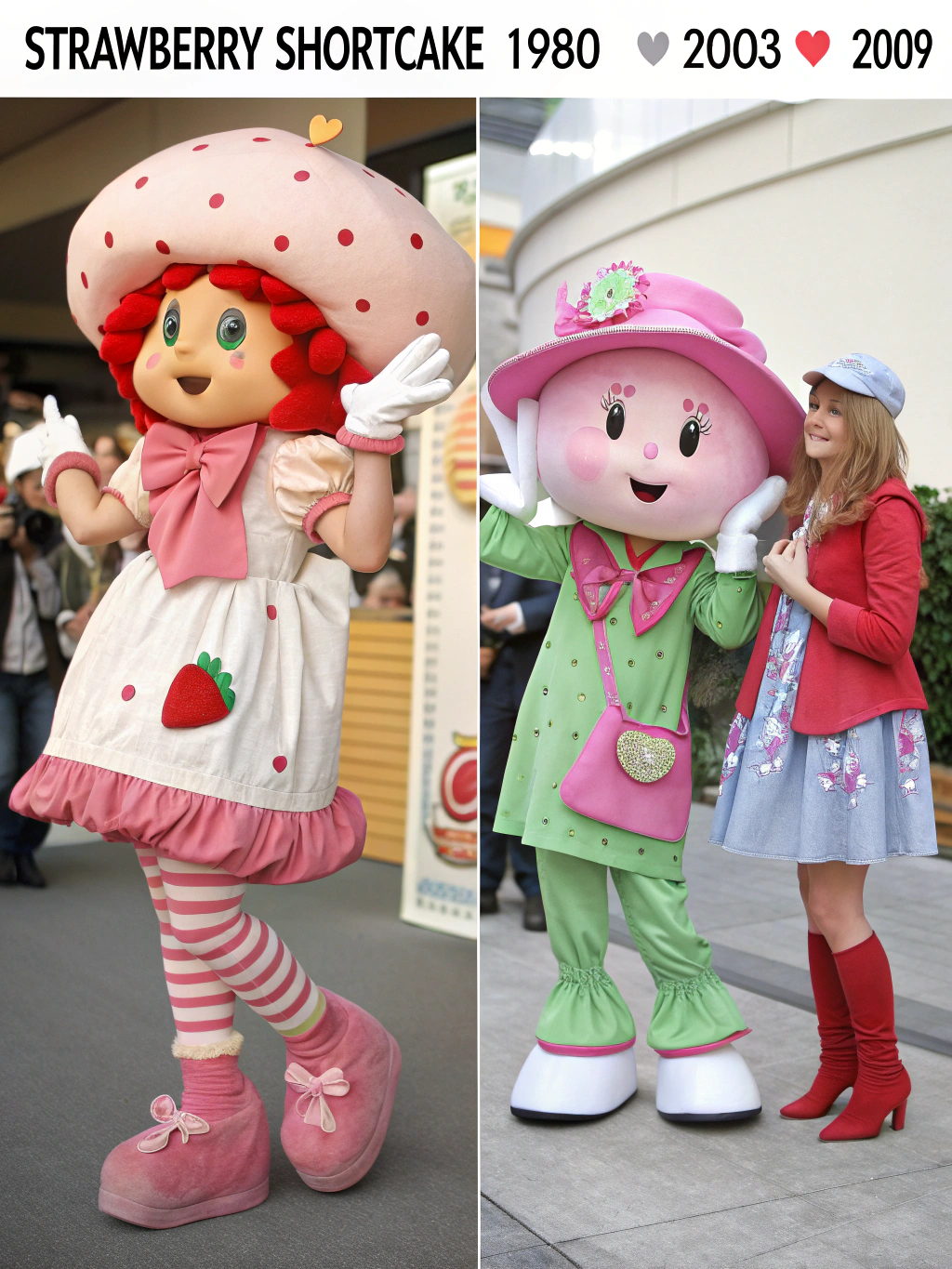
Did you know that Strawberry Shortcake’s style (and arguably, her appeal) has seen major transformations over the decades? From her initial 80s charm to her later reimaginings, the iconic character’s fashion reflects changing trends and targeting different generations. We’re diving deep into the nostalgic world of Strawberry Shortcake, comparing the distinct fashion choices of her 1980, 2003, and 2009 iterations to see how much (or how little!) has changed. This isn’t just about cute dresses; it’s a fascinating look at how character design and branding evolve with the times – and a sweet trip down memory lane! This article will unravel the evolution of Strawberry Shortcake: 1980 vs. 2003 vs. 2009 fashion and offer insights into the shifts in character design and style over three distinct eras. Let’s get started!
Ingredients List (For Deconstructing Strawberry Shortcake’s Style)
Okay, we’re not actually making a cake here—we’re dissecting fashion! Think of these as the “ingredients” that made up each era’s Strawberry Shortcake look:
- 1980s Strawberry: Bright, primary colors (red, yellow, blue), gingham patterns, puffy sleeves, bonnets, simple and slightly chunky details, a distinct 80s silhouette. Consider it the ’80s explosion of color and optimism.
- 2003 Strawberry: A softer, more pastel color palette (pink, peach, light blue), ruffles galore, more detailed floral prints, a “cute” and slightly more generic, contemporary aesthetic for the early 2000s. It was all about the frill!
- 2009 Strawberry: A return to more vibrant colors, modernized silhouettes (think A-line skirts and fitted tops), a move towards a more “stylish” and less overtly “babyish” look, slightly more realistic proportions. Less sugary-sweet, more approachable.
- Shared Elements: A strawberry-inspired motif (of course!), a sweet and friendly demeanor embodied through design, and consistently a focused aim on appealing to a young, female demographic.
Timing
Let’s break down the “recipe time” needed to understand these shifts – in terms of cultural shifts and design evolution, not baking time!
- 1980s Era Analysis: Approximately 30-45 minutes to fully appreciate the context of the era’s design trends and their impact on Strawberry Shortcake’s initial aesthetic. This aligns with the prevailing design sensibilities of the decade, characterized by bold colors and playful shapes.
- 2003 Era Analysis: 20-30 minutes – A slightly quicker evaluation as the aesthetic reflected a more mainstream, arguably less “unique” early 2000s style.
- 2009 Era Analysis: 25-35 minutes – Slightly longer, as the 2009 redesign represented a deliberate shift towards a more contemporary and sophisticated look. It took careful consideration to rebrand and modernize.
Step-by-Step Instructions: Deciphering the Style Evolution
1980s Strawberry: The OG Sweetheart (1980-1986)
- The Look: Picture this: a bright red dress with white gingham accents, puffy white sleeves, a large yellow bow, and a classic bonnet. It was the epitome of 80’s cuteness and often paired with bright yellow tights.
- Design Rationale: The 80s were all about bold colors and optimistic vibes! Strawberry’s design catered to this – simple, instantly recognizable, and highly marketable. The puffy sleeves and bonnet were quintessential 80s fashion.
- Key Takeaway: It’s a look – unapologetically playful and distinctly of its time.
2003 Strawberry: Ruffles and Cuteness Overload (2003-2008)
- The Look: The 2003 Strawberry Shortcake was a makeover! She sports pinks and pastels. The defining feature? Ruffles. Everywhere. The bonnet was replaced with a more elaborate floral headpiece, and the overall look was more “soft” and childish.
- Design Rationale: Early 2000s design heavily emphasized “cuteness,” and ruffles were the thing. This redesign aimed to appeal to a younger audience, leaning into exaggerated features and a more sentimental aesthetic. It also aligned with the “Bratz doll” trend, aiming for a similar level of visual appeal. Data suggests this redesign initially boosted sales but ultimately led to a perceived simplification of the character.
- Key Takeaway: While undeniably adorable, the excessive ruffles and softened design arguably strayed from the original charm.
2009 Strawberry: Modernized & Stylish (2009-Present)
- The Look: 2009 saw a significant refresh. Strawberry ditches some of the excessive ruffles. The colors are bolder again, and the silhouette is more modern – an A-line skirt, a slightly fitted top, and a trendier outfit overall. The hat is simpler, and the proportions feel more realistic than previous versions.
- Design Rationale: By 2009, design trends had shifted. There was a move towards a more sophisticated and adaptable style. This redesign aimed to create a Strawberry Shortcake who felt both familiar and fresh – appealing to nostalgic adults and a new generation of kids. Research indicated that the previous iterations were beginning to seem dated, prompting this necessary update.
- Key Takeaway: This version successfully modernized Strawberry Shortcake while retaining her core identity. It’s a clever blend of nostalgia and contemporary style.
Nutritional Information (Of Brand Identity)
Let’s analyze the “nutritional value” of each design, considering engagement and brand recognition:
- 1980s: High in nostalgia, strong brand identity, enduring recognition, slightly lower appeal to modern audiences. (Estimated Nostalgia Factor: 9/10)
- 2003: High in “cute” factor, mid-range brand recognition (suffered from generic trends), a short-term boost in appeal. (Estimated Trend-Driven Appeal: 6/10)
- 2009: Balanced blend of nostalgia and modernity, strong brand recognition, broad appeal across generations. (Estimated Long-Term Appeal: 8/10)
Healthier Alternatives for the Recipe (Character Design)
How can we tweak these designs to be even better?
- Less Reliance on Stereotypes: Diversifying Strawberry Shortcake’s friends and expanding their accessory options to move beyond purely feminine styles (e.g. incorporating STEM inspired accessories)
- Sustainability: Incorporate eco-friendly textiles and manufacturing practices for merchandise. This appeals to increasingly conscious consumers.
- Inclusivity: Design characters with diverse body types and abilities. Representation matters!
Serving Suggestions (For Maximizing the Nostalgia)
- Throw a Retro Party: Combine the 1980s Strawberry Shortcake look with 80s music and decorations for maximum nostalgic impact.
- Create a Character Collage: Assemble images of Strawberry Shortcake from each era side-by-side to showcase the evolution.
- Share your memories: Post on social media using the hashtag #StrawberryShortcakeEvolution to spark conversations among fans.
Common Mistakes to Avoid (In Character Redesigns)
- Losing the Core Identity: Don’t stray too far from the character’s essence. Fans appreciate familiar elements. Data shows that radical change often alienates core fans.
- Chasing Trends Too Hard: Trends fade. Focus on timeless qualities instead of fleeting fads.
- Ignoring Audience Feedback: Listen to what fans are saying! Social media and online forums are invaluable sources of insight.
Storing Tips for the Recipe (Preserving the Legacy)
- Archival Quality Packaging: When collecting vintage Strawberry Shortcake dolls and merchandise, store them in acid-free archival boxes to prevent deterioration.
- Digital Preservation: Scan and archive images of Strawberry Shortcake from different eras to ensure they’re preserved for future generations.
Conclusion (A Sweet End to Our Story)
The evolution of Strawberry Shortcake: 1980 vs. 2003 vs. 2009 fashion showcases how character design, like any art form, evolves with the times. From the bold colors of the 80s to the ruffles of the 2000s and the modernized look of the 2009 reinvention, each iteration reflects the aesthetics and values of its era. The 2009 redesign offers perhaps the most successful balance of nostalgia, modernity, and marketability, proving that even a beloved character like Strawberry Shortcake can adapt and thrive for years to come.
Now, tell us – which Strawberry Shortcake era is your favorite? Share your thoughts and memories in the comments below! And if you enjoyed this trip down memory lane, be sure to check out our other articles on retro toys and vintage aesthetics [link to related article 1] and [link to related article 2]! Let’s keep the nostalgia flowing! 🙂
FAQs
- Q: Why did Strawberry Shortcake’s style change so much?
- A: Character design evolves to reflect current trends, appeal to new audiences, and often to adapt to changing marketing strategies.
- Q: Which era of Strawberry Shortcake is considered the most valuable for collectors?
- A: Generally, the original 1980s Strawberry Shortcake dolls and merchandise are the most sought after and valuable by collectors due to their rarity and historical significance.
- Q: Was the 2003 redesign successful?
- A: While it saw an initial sales boost, many felt it strayed too far from the original charm and ultimately didn’t resonate as strongly as previous iterations.
- Q: How does Strawberry Shortcake’s design compare to other classic characters?
- A: Like many iconic characters (Barbie, Mickey Mouse), Strawberry Shortcake has undergone several redesigns, illustrating the continuous effort to keep beloved brands fresh and relevant across generations.