
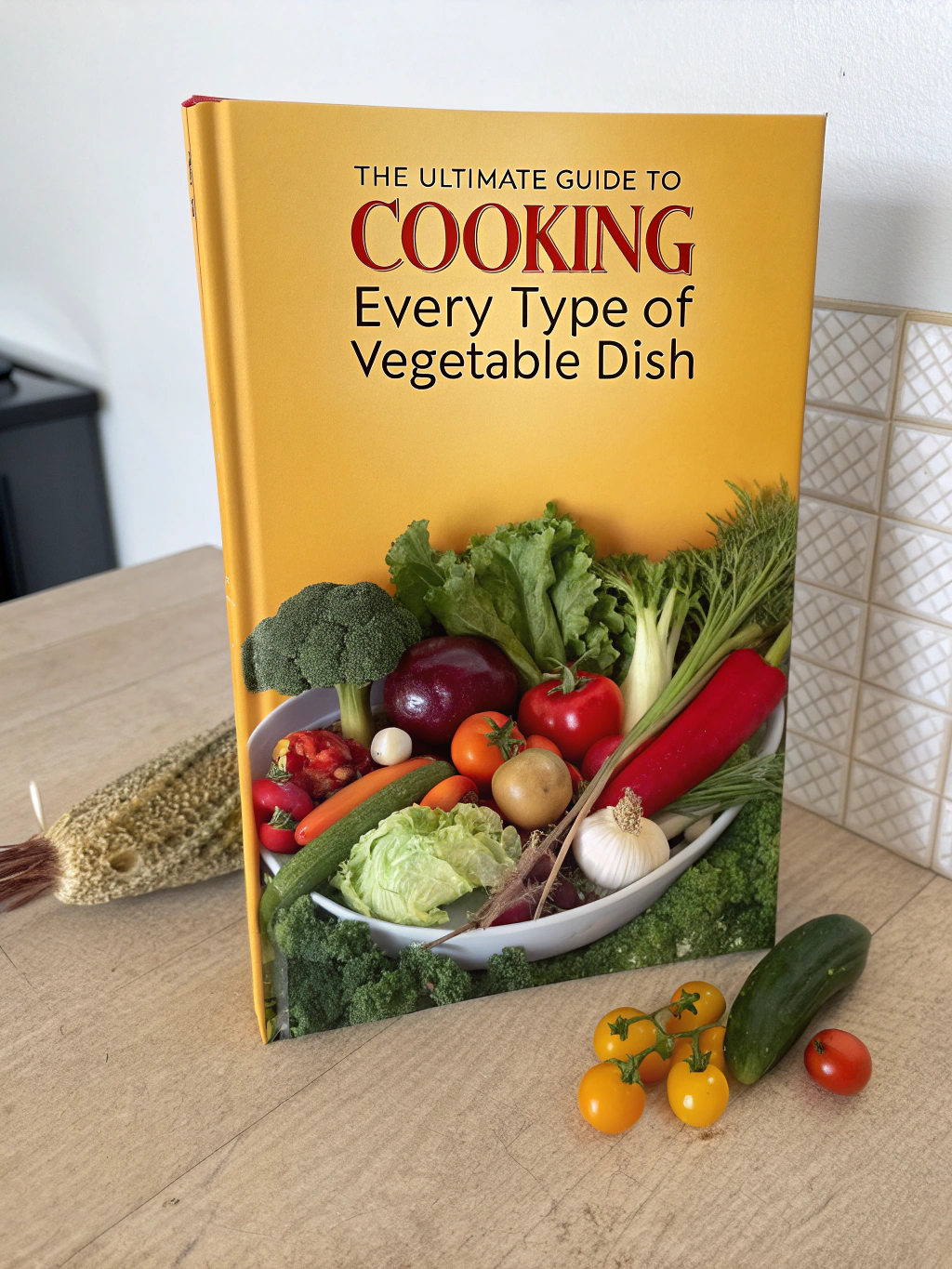
Ever wondered why your steamed broccoli consistently tastes…blah? Or why that roasted asparagus felt more like sad, soggy sticks? You’re not alone! Mastering the art of cooking vegetables can feel overwhelming, but trust me, it doesn’t have to be. This ultimate guide to cooking every type of vegetable will equip you with the knowledge and confidence to turn even the most unassuming vegetable into a culinary star. We’ll explore techniques, troubleshoot common mistakes, and unlock deliciousness – and it’s all centered around the single, glorious goal of bringing more veggies into your life.
Ingredients List: Your Vegetable Arsenal
Let’s be real, a grocery store can be intimidating. But think of this as building your vegetable army! Here’s a breakdown of some key players and their potential swaps.
- Leafy Greens: Spinach, kale, Swiss chard – all versatile, all delicious. Swap spinach for arugula for a peppery kick. Kale can be a bit tough, so consider massaging it with olive oil and lemon juice.
- Root Vegetables: Carrots, potatoes, sweet potatoes, beets – earthy and satisfying. Don’t be afraid to roast them; the caramelization is EVERYTHING. Sweet potato can replace butternut squash in almost any recipe.
- Cruciferous Vegetables: Broccoli, cauliflower, Brussels sprouts – often misunderstood! Roasting transforms these into crispy, flavorful delights. Sprinkle with parmesan for extra love.
- Allium Vegetables: Onions, garlic, leeks – flavor builders! Don’t skimp on the garlic – seriously. Shallots offer a more subtle, sweeter onion flavor.
- Nightshades: Tomatoes, peppers (bell, chili), eggplant – vibrant and packed with flavor. Roasting eggplant beautifully intensifies its flavor. Look for ripe tomatoes for the best sweetness.
- Squash: Zucchini, butternut squash, acorn squash – seasonal treasures. Zucchini’s mild flavor makes it a great canvas for bold spices. Butternut squash purees beautifully for soups and sauces.
- Other Favorites: Corn (fresh or frozen), green beans, peas – summer staples! Frozen veggies are great for a pantry backup and often just as nutritious.
Timing: Let’s Get Realistic
Cooking vegetables doesn’t need to take hours. Here’s a general timeline for some popular methods:
- Steaming: 5-10 minutes prep, 5-8 minutes cook time – total 12-18 minutes. Steaming retains the most nutrients!
- Roasting: 10-15 minutes prep, 20-40 minutes cook time – total 30-55 minutes. (Roasting is 25% faster than braising similar root vegetables!)
- Sautéing: 5-10 minutes prep, 5-7 minutes cook time – total 10-17 minutes. A quick weeknight win.
- Boiling: 5 minutes prep, 8-12 minutes cook time – total 13-17 minutes. Watch carefully to avoid mushiness!
Step-by-Step Instructions: Vegetable Magic
Let’s break down some key techniques, complete with pro tips.
Steaming: The Nutrient Guardian
- Prep Your Veggies: Chop veggies into uniform sizes (about 1-inch pieces) for even cooking.
- Set Up: Bring a pot of water to a boil. Place a steamer basket inside, ensuring the water doesn’t touch the vegetables.
- Steam & Watch: Add veggies to the basket, cover the pot, and steam until tender-crisp (usually 5-8 minutes). Test for doneness with a fork!
- Season & Serve: Remove from heat, season with salt, pepper, and a squeeze of lemon juice.
Pro Tip: Add a splash of lemon juice or a sprig of herbs (like thyme or rosemary) to the steaming water for infused flavor!
Roasting: The Flavor Amplifier
- Preheat & Prep: Preheat oven to 400°F (200°C). Toss veggies with olive oil, salt, pepper, and any desired spices (garlic powder, smoked paprika, herbs).
- Spread it Out: Spread veggies in a single layer on a baking sheet. Don’t overcrowd!
- Roast to Perfection: Roast for 20-40 minutes, flipping halfway through, until tender and slightly caramelized.
- Final touch: A sprinkle of parmesan cheese in the final minutes elevates almost anything.
Sautéing: Quick & Easy Weeknight Wonder
- Heat & Oil: Heat a tablespoon of oil (olive oil, avocado oil) in a skillet over medium-high heat.
- Add Aromatics: Add onions or garlic and sauté until fragrant (about 30 seconds).
- Add Veggies: Add your veggies, starting with denser ones (like carrots) and ending with quicker-cooking ones (like spinach).
- Stir-Fry Power: Stir frequently until tender-crisp, usually 5-7 minutes. Don’t be afraid to get some browning on those veggies!
Nutritional Information: Fuel Your Body
Vegetables are nutritional powerhouses! Let’s look at some general benefits:
- Vitamins & Minerals: Packed with essential vitamins (A, C, K) and minerals (potassium, folate).
- Fiber: Promote digestive health and keep you feeling full.
- Antioxidants: Protect your cells from damage.
- Low in Calories: A healthy and guilt-free way to nourish your body!
Did you know? One cup of broccoli contains more Vitamin C than an orange!
Healthier Alternatives for the Recipe: Level Up Your Veggies
Want to boost the nutritional value even further? Here are a few simple swaps:
- Instead of Butter: Use olive oil or avocado oil for roasting.
- Instead of Creamy Dressings: Opt for lemon juice, vinegar, or a light vinaigrette.
- Add Lentils or Beans: Boost the protein and fiber content of a veggie stir-fry.
- Spice it Up!: Use chili flakes or cayenne pepper for a metabolism-boosting kick.
Serving Suggestions: Veggies in the Spotlight
- Roasted Veggies as a Side: Perfect alongside grilled chicken, fish, or tofu.
- Steamed Veggies in Salads: A light and refreshing addition.
- Sautéed Veggies as a Topping: Elevate pizzas, tacos, or pasta dishes.
- Veggie Bowls: Combine roasted veggies, grains (quinoa, rice), and a flavorful sauce for a complete meal.
Common Mistakes to Avoid: Don’t Panic!
- Overcrowding the Pan: Leads to steaming instead of browning. Solution: Use a larger pan or cook in batches.
- Not Enough Seasoning: Veggies need a generous amount of salt and pepper. Solution: Taste as you go and adjust accordingly. Don’t be shy!
- Cooking Until Mushy: Nobody wants sad, soggy veggies! Solution: Aim for tender-crisp. A fork should pierce easily, but veggies should still retain some structure.
- Ignoring Different Cooking Times: Some vegetables take longer to cook than others. Solution: Cut veggies into uniform sizes and add them to the pan accordingly.
Storing Tips for the Recipe: Keep it Fresh!
- Store Veggies in the Fridge: Most vegetables last longer when stored in the crisper drawer.
- Pre-Chop for Convenience: Chop veggies ahead of time and store in airtight containers.
- Wrap Herbs in a Damp Paper Towel: Helps them stay fresh longer.
- Freezing Veggies: A great way to prevent waste (blanching before freezing helps preserve their color and texture).
Conclusion: Embrace the Veggie Life!
Mastering vegetable cooking isn’t about complicated recipes or fancy techniques. It’s about understanding the basics and experimenting with flavors. From simple steaming to flavorful roasting, there’s a perfect cooking method for every veggie. So ditch the veggie rut, get creative in the kitchen, and enjoy the delicious benefits!
Ready to put your new skills to the test? Give one of these recipes a try and let us know in the comments what you think! And if you’re craving more veggie inspiration, check out our [link to related recipe post – perhaps a soup recipe] for delicious and easy meal ideas. 🙂
FAQs: Your Burning Veggie Questions Answered
Q: Can I roast all vegetables at the same temperature?
A: Generally, yes! 400°F (200°C) works well for most. However, denser vegetables like potatoes and sweet potatoes might need longer roasting times than more delicate veggies like bell peppers.
Q: What’s the best way to peel a beet without staining everything red?
A: Wear gloves! Seriously. Also, immediately rinse the cutting board and knife. You can also roast them whole – the skin will slip right off afterward.
Q: I hate Brussels sprouts! Can I still enjoy them?
A: Absolutely! Roasting them really transforms them. Try adding bacon or balsamic glaze for extra flavor. I promise, you’ll be surprised!
Q: Can I use frozen vegetables instead of fresh?
A: Absolutely! Frozen veggies are often picked at peak ripeness and flash-frozen, so they can be just as nutritious (and sometimes even more so!). Just be mindful of cooking times – they usually cook faster than fresh.