
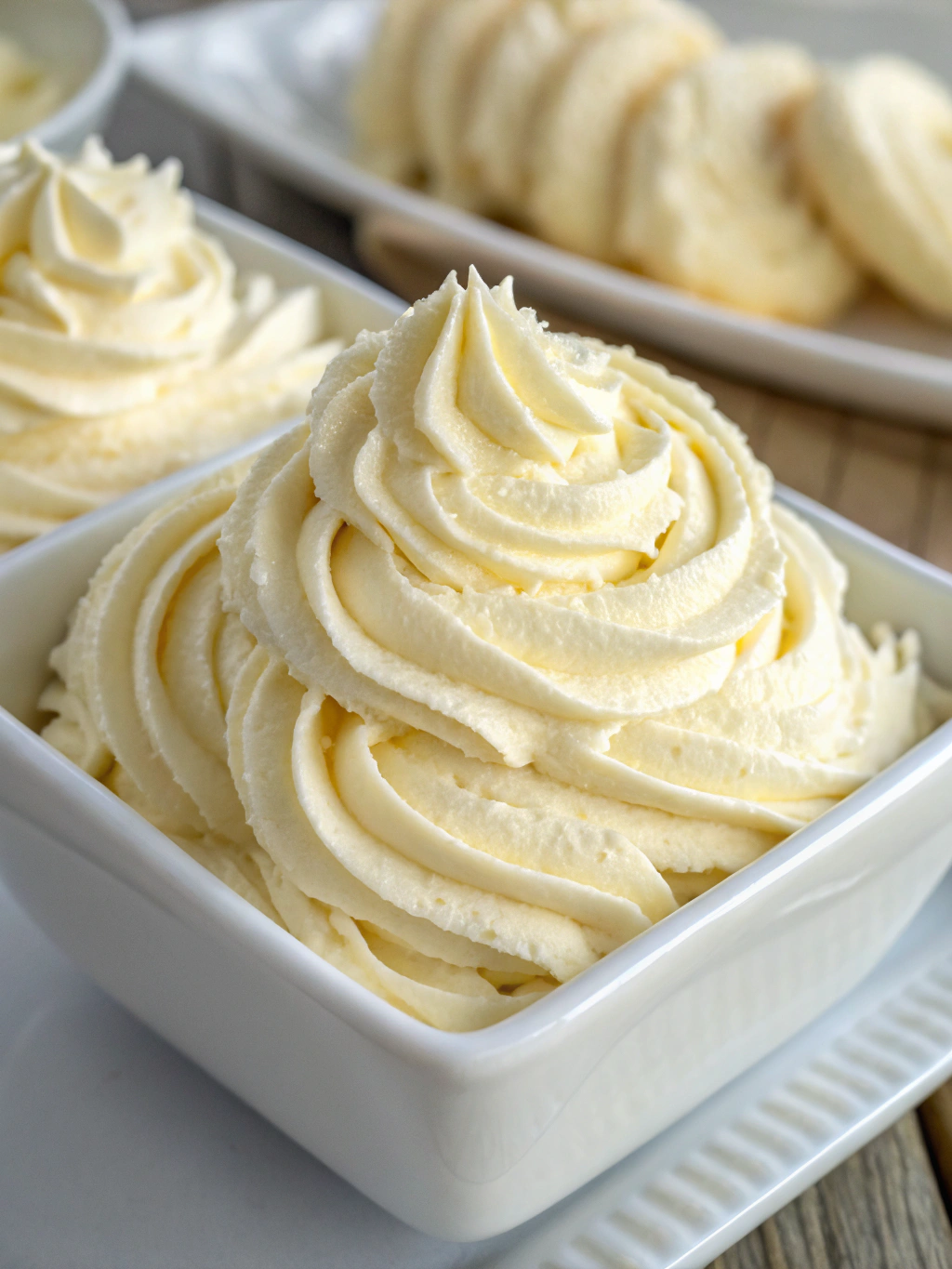
Ever wondered why some buttercream frosting is stiff enough to pipe intricate flowers while others melt right off your sugar cookies? The secret isn’t magic, it’s chemistry! We’re diving deep into the world of American buttercream frosting for sugar cookies – it’s the go-to for a reason! This recipe gives you exactly that: a fluffy, sweet, and totally pipeable frosting, perfect for decorating those beautiful cookies. We’ll unpack everything from basic ingredients to troubleshooting tips so you can achieve bakery-worthy results every single time. Let’s get frosting!
Ingredients List
This is where the magic begins! We’re aiming for a classic vanilla bean flavor, but feel free to get creative later.
- 1 cup (2 sticks/226g) Unsalted Butter, softened to room temperature – This is KEY. Too cold and it won’t cream properly, too warm and it’ll be greasy.
- 4 cups (480g) Powdered Sugar (also called Confectioners’ Sugar or Icing Sugar), sifted – Sifting is absolutely essential to prevent lumps! Trust me.
- 1/4 cup (60ml) Heavy Cream or Milk – Heavy cream gives the richest flavor; milk works in a pinch. Plant-based milks like almond or soy work well too.
- 2 teaspoons Vanilla Extract – Real vanilla extract is always best. Vanilla bean paste will take it to the next level!
- 1-2 tablespoons Vanilla Bean Seeds (optional, but divine!) – Scrape the seeds from one vanilla bean pod for the most intense flavor.
- Pinch of Salt – Balances the sweetness and enhances the vanilla flavor.
- Food Coloring (Gel Food Coloring Recommended): For vibrant colors, gel is the way to go – liquid food coloring can thin out your frosting.
Substitutions:
- Butter: While unsalted is preferred for best control over sweetness, salted butter can be used. Just reduce the salt by half. Don’t even think about margarine – it won’t work.
- Heavy Cream/Milk: You could try using a little bit of clear extract, but heavy cream yields a much nicer, richer flavor.
- Vanilla Extract: Almond extract or lemon extract can be used for a different flavor profile.
Timing
Okay, let’s be realistic about how much time this will take. This isn’t a “throw it together in five minutes” situation (although it is relatively fast!).
- Prep Time: 5 minutes (gathering ingredients, sifting powdered sugar)
- Creaming Time: 8-10 minutes (using a stand mixer – hand mixers will require more elbow grease!)
- Total Time: Approximately 13-15 minutes. That’s roughly half the time than traditional Swiss Meringue Buttercream, right?
Step-by-Step Instructions
These steps are pretty straightforward, but pay attention to the nuances – they make all the difference!
- Cream the Butter: Start by creaming the softened butter in a stand mixer (or with a hand mixer) on medium speed for 3-5 minutes. You want it to be light, fluffy, and pale yellow. This incorporates air, which is vital for a light and airy buttercream. Don’t skimp on this step! It’s the foundation.
- Add Powdered Sugar (Gradually!): With the mixer on low speed, gradually add the sifted powdered sugar, about 1 cup at a time. Mix until just combined after each addition. Seriously, resist the urge to crank up the speed here – you’ll end up with powdered sugar everywhere! It will seem dry and crumbly – that’s completely normal.
- Incorporate the Wet Ingredients: Add the heavy cream (or milk) and vanilla extract (and vanilla bean seeds, if using). Mix on low speed until just combined. Then, increase the speed to medium and beat for another 2-3 minutes, or until the frosting is light and fluffy. Scrape down the sides of the bowl periodically to ensure everything is evenly incorporated.
- Adjust Consistency (This is Key!): If your buttercream is too thick, add a teaspoon of cream at a time until you reach your desired consistency. If it’s too thin, add a tablespoon of powdered sugar at a time. I’ve been there—you just add too much in the beginning.
- Coloring (Optional): If you’re using gel food coloring, add it a drop at a time, mixing well after each addition, until you achieve your desired shade. Start small—it’s easier to add more color than to take it away!
Nutritional Information (Approximate, per 1/4 cup serving)
- Calories: 220
- Fat: 16g
- Saturated Fat: 11g
- Cholesterol: 45mg
- Sodium: 45mg
- Carbohydrates: 25g
- Sugar: 22g
- Protein: 0g
(Note: Nutritional information is an estimate and may vary based on specific ingredients used.)
Healthier Alternatives for the Recipe
Okay, let’s be honest, frosting isn’t exactly a health food. But we can make a few smarter choices!
- Reduce Sugar: Slightly reduce the powdered sugar – start with 3.5 cups and see how it goes. You might be surprised at how little you miss it!
- Whole Wheat Pastry Flour: A tiny amount of whole wheat pastry flour (1-2 tablespoons) can add a little fiber. Be careful, it may change the color and texture. A little goes a long way – it could dry out!
- Natural Sweeteners: While not a direct replacement, you could experiment with small amounts of stevia or monk fruit extract. The taste will be different, so start with a tiny amount and adjust to your liking.
- Greek Yogurt: Add a tablespoon or two of plain Greek yogurt for moisture and a little extra protein.
Serving Suggestions
This buttercream isn’t just for sugar cookies (though it is amazing on them). Here are some ideas to take it to the next level:
- Cupcakes: The classic choice, naturally.
- Cake Frosting: A generous layer on a vanilla cake is always a good idea.
- Dipped Strawberries: Melted chocolate + buttercream + strawberries = instant happiness.
- Cookie Sandwiches: Spread between two cookies for a delicious treat.
- Edible Decor: Get creative and pipe flowers, swirls, and other shapes onto cakes, cupcakes, or cookies.
Common Mistakes to Avoid
Let’s steer clear of these frosting fails:
- Not Softening the Butter Enough: Cold butter = lumpy frosting. Give it plenty of time to soften at room temperature.
- Adding Powdered Sugar Too Quickly: This creates a dusty mess. Gradual addition is key. I learned this the hard way…covered my kitchen in powdered sugar. Not fun.
- Overmixing: Overmixing can toughen the frosting. Mix until just combined.
- Not Sifting the Powdered Sugar: Lumps are the enemy of smooth buttercream.
Storing Tips for the Recipe
- Short Term (Room Temperature): Buttercream can be stored in an airtight container at room temperature for up to 2 days.
- Long Term (Refrigerator): Store in an airtight container in the refrigerator for up to a week. Bring to room temperature and re-whip before using.
- Freezer Friendly: Buttercream freezes beautifully! Store in an airtight container for up to 3 months. Thaw overnight in the refrigerator.
Conclusion
There you have it – the ultimate guide to making delicious, pipeable American buttercream frosting! This recipe is your foundation for decorating stunning sugar cookies, cupcakes, and cakes. With a few simple ingredients and these helpful tips, you’ll be creating bakery-worthy treats in no time.
Now go on, give it a try! I’d love to see your creations – tag me on social media using #MyButtercreamBaking. Share your frosting adventures in the comments below – and let me know if you’re using a substitute ingredient. Happy Baking :)!
FAQs
- Why is my buttercream grainy? This is usually caused by undissolved sugar crystals. Try mixing it on high speed for a few more minutes. Sometimes, gently warming the bowl slightly can help.
- My buttercream is too runny! What do I do? Add powdered sugar, 1 tablespoon at a time, until it reaches the desired consistency.
- Can I use brown sugar instead of powdered sugar? Not really. Brown sugar will change the flavor and texture dramatically. Stick with powdered sugar for the best results.
- My buttercream curdled. What happened? This can happen if your butter was too cold, or if you added the powdered sugar too quickly. If it’s just slightly curdled, beat it vigorously for a few minutes – it might come back together. If it’s severely curdled, you’ll need to start over.
- Will this buttercream work on chocolate cookies? Absolutely! It pairs beautifully with a wide variety of cookies.